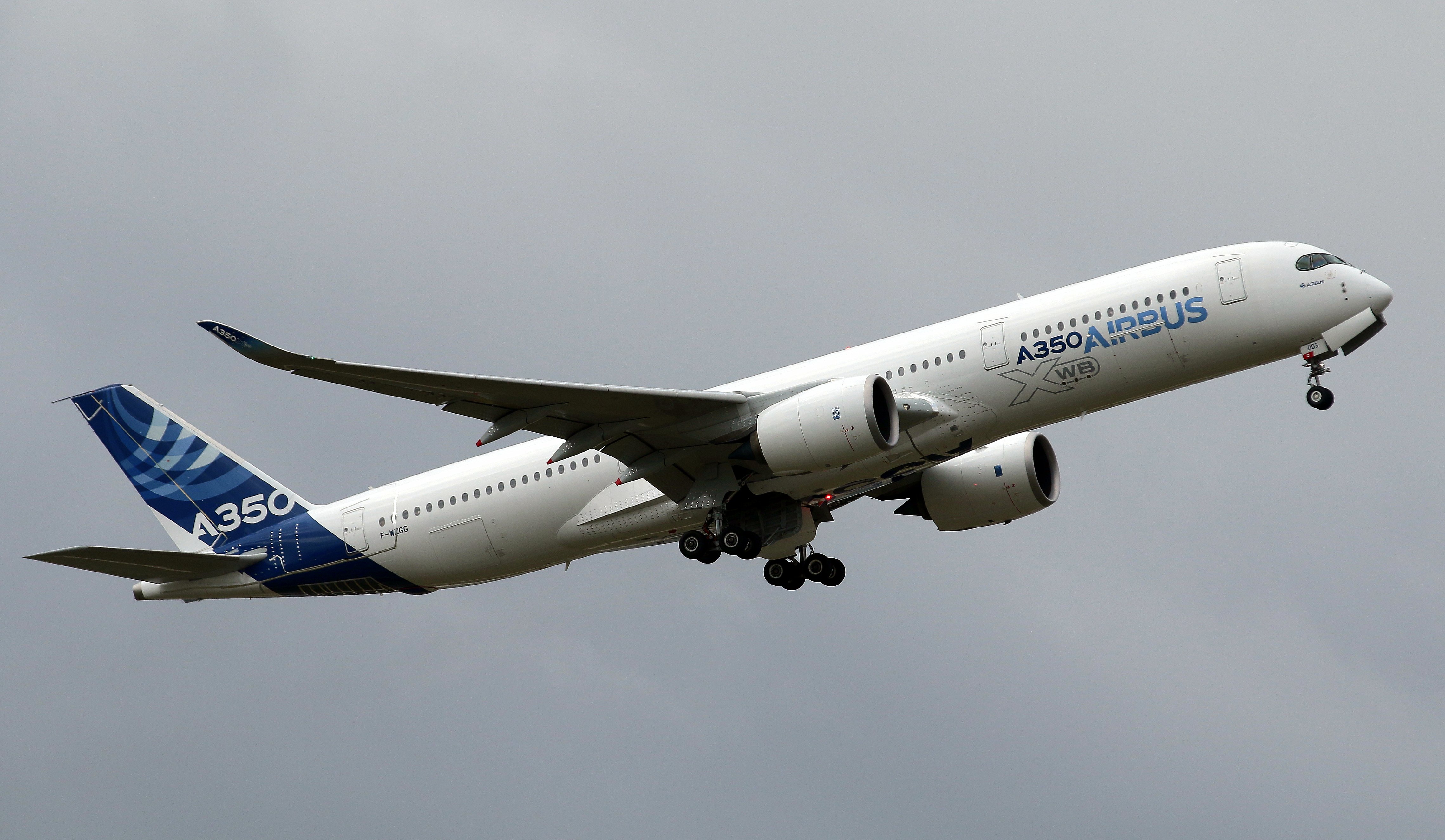
To expand a bit on the other explanations here, "flow cones" are one of the many methods used for flow visualization.
When something is being tested in a wind tunnel or in flight, you usually can't see the air flow around the body. To be able to visualize the flow, something is added to the air, like smoke, or to the body, like flow cones or tufts. Tufts are basically just short lengths of string taped to the body at one end. Flow cones are small cones attached at their apex with string.
These items on the body have two main functions. Primarily, the flow cones or tufts will align them selves with the flow, allowing observers to see the direction of the air flow in that area.
They can also show flow separation. When the flow is attached to the body, it flows fairly smoothly along the surface. When the flow separates from the surface, it becomes much more turbulent and chaotic. The tufts or cones will show this as they are moved by the air.
Flow cones are larger than tufts, so they are much easier to see, which is important in cases like the picture you posted, where they will probably be observed from a chase plane at some distance.
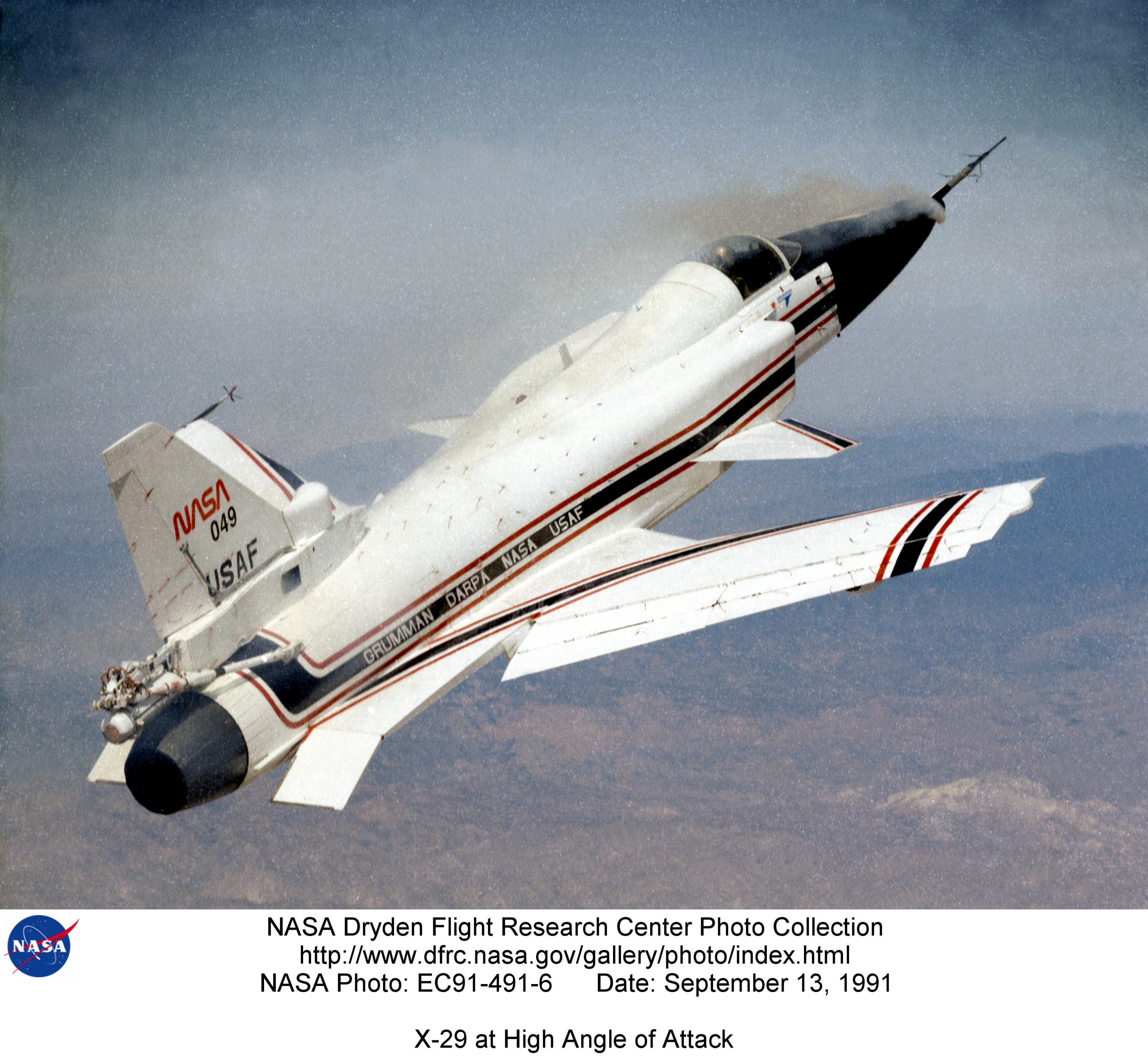
For more on flow separation, see this question, or this video of tufts on a stalling wing. For a comparison of tufts and cones, zoom in on this photo of the X-29A. The darker, larger objects behind the cockpit are cones, while the reddish, smaller ones further aft are tufts. You can also see smoke at the nose being used to visualize the flow.
 Source: A380_TLS_A350 AIB199GG (high-res version)