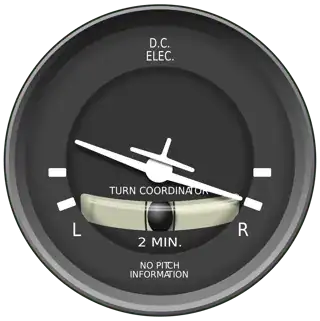
According to Wikipedia, a "Standard Rate Turn" is three degrees of heading change per second.
The bank angle required to achieve this depends on your true airspeed; at a low TAS a standard rate turn is easily achievable with normal, comfortable bank angles (say, 20°, plus or minus). At high true airspeeds, the bank required becomes excessive, and "half standard rate" is used if anything is used, but at least in airline flying it's not particularly common to use either. We just reference an angle of bank — but what that gives you in degrees per second is variable (as a function of TAS again).
The upper limit of what an airliner (or pretty much any IFR aircraft) is going to give the controller in terms of turn rate is whatever you get with a 30° bank. And if that produces less than standard rate or whatever, then so be it. At high altitude (say 35,000' and above), even 30° can be on the edge of problematic (mainly, with regard to wing loading and Mach buffet), and controllers are used to rates of turn that are less than what you'd see down low.
But if you're looking for a ballpark, 3 degrees per second at low airspeeds (say, under 200 knots), then 2 degrees per second up to maybe 300 knots, and 1 degree per second above that. Ballpark, but reasonable numbers.