First, some background: Inside of a breaker panel for your home are three connections, two for each phase of the power coming in, and one for a neutral/ground. Each phase is ~120v, which when added together (they are opposite phases) add together to ~240v. For the ~120v breakers, you connect one phase and the neutral which shouldn't have much current. Note, this is all approximate, 110-120v is pretty standard.
So based on your measurements, here's my theory: while the neutral should be close to 0v, when you turn on a high wattage device (the microwave is in that list) you're pushing a lot in and out of that ground, and out of phase with devices that are on half of the circuits in the home. I'm guessing that rather than going to ground, it's easier for that extra power to go to those other circuits where you see a net power gain, and for the same reason you see a small loss on the same circuit.
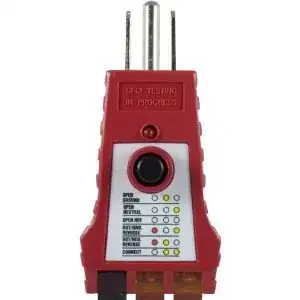
Edit: Thinking about this a bit more and I can come up with one problem, a broken ground on the neutral bar. You can check the ohms between the ground in an outlet and something else that should be grounded (metal stake hammered into the earth, or try a plumbing fixture like your sink). Then do the same with the neutral plug (check for voltage from neutral to the ground in the outlet first in case you are testing the hot by accident). If you see a solid connection with the ground/neutral, no voltage is passing through them, and the outlet tester didn't indicate any issues, I personally wouldn't worry.