It may be impossible to avoid with low power, or substandard screw-guns. If I'm stripping heads, it's a low battery.
Set the drill to it's highest setting; low gear is for screws that just won't go in and you need the extra torque. In low gear, it's going to be really hard to apply the necessary pressure to keep the bit from slipping.
Push as hard as you can. If it's really giving me trouble, I have someone put a hand on my back to brace me; giving me something to push against. Unless you start snapping heads off, you're just not pushing hard enough. Until you get the hang of it, your wrist will hurt and your whole palm will feel like a blister after doing drywall all day. Failing to push as hard as needed, your bit will skip and you'll strip the head and you'll eventually burn out your bit.
The above assumes you began driving the screw and it started striping along the way. Unless you drive the screw and set it at the correct depth in one trigger pull, you can run into problems:
How to set a screw:
To set screws in drywall without a dimpler, you have to learn when to stop at just the right moment so as to not drive it all the way through (actually way before then, but not until it's set). You can't just give up when it's almost in and then think you're going to finish it up with a few trigger pulls. That works sometimes, but without the momentum of the initial drive behind it, the torque required greatly increases. It may be near impossible to fight this additional torque and prevent cam-out, instead:
Back it out and sink it again if you fail to set a screw properly. Any screws that 'popped' should be removed and relocated. Screws that you strip on their first try going in should be tossed. Impact guns are great for snugging up those almost set screws and don't require backing them out first.
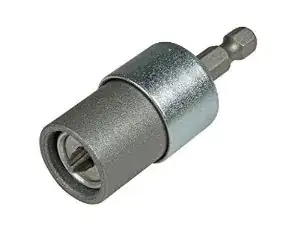
Unless I'm using square-drive deck-screws, which do stay on the tip while driving them, I always use a screw guide. They let you push without fear of slipping off.
 (threewinindustry.com)
Push until it hurts, then pull the trigger.