User Olafant found this news at Deutschlandfunk (DLF), dating on 6th August 2020. There it is claimed that "Weißrussland" is in (diplomatic) use since 1991 (= the end of the soviet union) by Germany. And some year later the Auswärtige Amt (foreign affairs) switched to "Belarus" like Switzerland and Austria did already. A news by n-tv adds that in January 2020 the Belarusisch-Deutsche Geschichtskommission was founded to propose the use of "Belarus". This organization is part of the older "Deutsche Gesellschaft für Osteuropakunde e.V.". DLF continues that in April 2020 news agencies like Deutsche Presse-Agentur (dpa) switched from Weißrussland to Belarus.
Be aware that many newspapers reprint/use dpa news, so I assume other news had to follow because the often reprint dpa articles and readers might think this is another country.
Quote about the name itself from DLF:
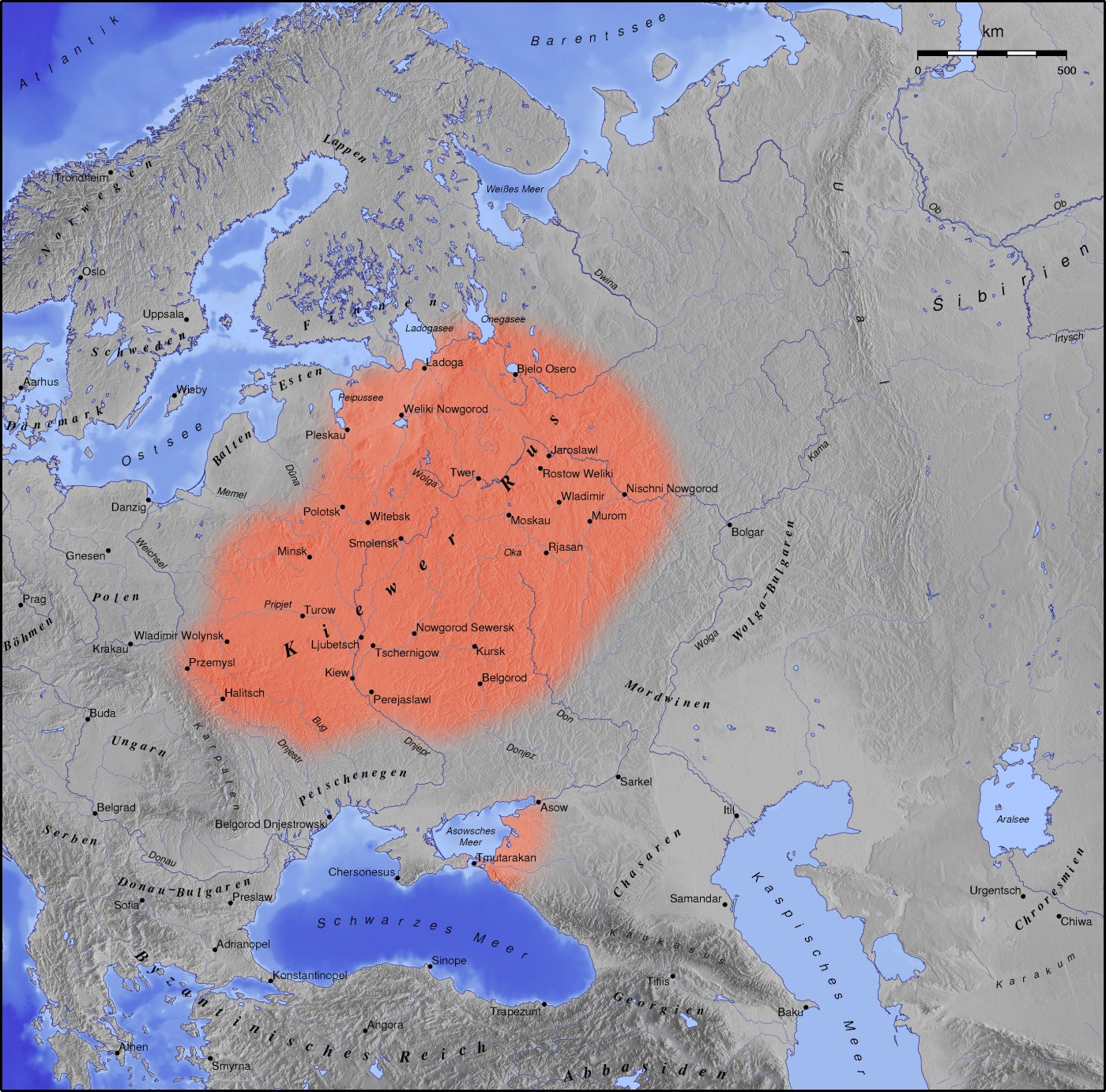
Der deutsche Begriff „Weißrussland“ ist aber keine Eins-zu-eins-Übersetzung von „Belarus“, auch wenn er so klingen mag: Zwar bedeutet „Bela“ tatsächlich weiß, der Begriff „Rus“ aber bezieht sich nicht auf Russland, sondern auf die sogenannte Kiewer Rus – ein Großreich im Mittelalter. Das gilt zwar als Vorläufer der heutigen Staaten Belarus, Russland und Ukraine, ist aber eben nicht synonym mit Russland. Deswegen würde „Weißrussland“ auf Russisch nicht Belarus heißen, sondern „Belarossija“.
Together with news by n-tv, dating on 10th August 2020, the core in my translation:
- bela = white in russian,
- rus = historical area as naming somewhat the origin of the rus' people - the Kievan Rus'(map image from wiki)
- three capitals Kiev (Ukraine) & Minsk (Belarus) & Moscow (Russia) locate in the historic area
- so Belarus put the logic that "Russ" like in "Weißrussland" is not "Rus" like in "Kiewer Rus" which they refer to
- which together is not "white russia", that would be "Belarossija".
- note: that would be the transcript in Russian, the second official language after Belarusian.
- the name "Weißrussland" was established in the 19th century
- the name "Weißruthenien" was a logical translation before the Nazis and not usable again since the Nazis used it for their conquered areas (see e.g. Online-Lexikon zur Kultur und Geschichte der Deutschen im östlichen Europa)
One thing is - until now - leftover: "belarussisch" (duden) mixes the russian part in, from the logical point it would be "belarusisch". The (linked above) Online-Lexikon also put it into question wether Russia is by name the only originating country from the Kievan Rus'. And if a country can enforce a translation of its name in another country.
So the answer is:
- "Weißrussland" is considered wrong from the beginning (by the current country Belarus)
- and it was used in Germany not later than 1991 for diplomatic correspondence
- "Belarus" is considered official and refers the origin of Kievan Rus' or Kyivan Rus (wiki)
- news agencies started in April 2020 to use "Belarus"
Other sources about the now former use of any name regarding this country now called Belarus are books mentioned on wiki - because more names than "Weißrussland" have been used
- Diana Siebert: Bäuerliche Alltagsstrategien in der Belarussischen SSR (1921–1941) (= Quellen und Studien zur Geschichte des östlichen Europa. Band 52). Franz Steiner Verlag, Stuttgart 1998, S. 24, Anm. 34.
- Vgl. Alexander Brakel: Unter Rotem Stern und Hakenkreuz. Baranowicze 1939 bis 1944. Das westliche Weißrussland unter sowjetischer und deutscher Besatzung (= Zeitalter der Weltkriege. Band 5). Ferdinand Schöningh Verlag, Paderborn u. a. 2009, ISBN 978-3-506-76784-4, S. 31.