When applying DC to a neon lamp, only the negatively-charged electrode glows:
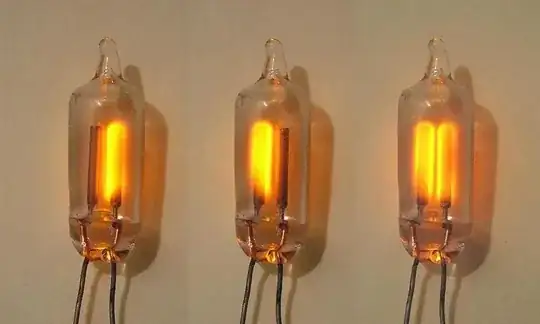
But... why? The electrodes are the same shape, so the electric field around them should be the same shape, and the gas should break down in the regions at which the electric field strength is above some threshold, which seems like it would be symmetrical. Is there a difference in threshold between positive and negative coronas? If so, do both sides light up at high enough voltage? Or maybe only one type of corona is possible in neon since it's a noble gas? If it contained air would it glow at both electrodes?
Do neon signs work in a different manner, since they have a long region of glowing gas, rather than just glowing near the cathode?


A Smithsonian Institution website notes, "These small, low power devices use a physical principle called coronal discharge.and thenNeon lamps operate using a low current glow discharge.in the same article. I think the only difference is pressure? The Wikipedia article mentions sputtering in the mechanism section, but someone on the talk page says "Sputtering of the cathode, on the other hand, is not at all important for a glow discharge." Answers.com says "Near the upper end [a corona discharge] goes into a glow discharge or a brush discharge, depending on pressure." – endolith Aug 17 '11 at 14:26