Only the Right Lawyer Will Do the Trick
Adnan makes one particularly excellent suggestion – hire a lawyer to make sure somebody legally obligated to do so will share your pre-selected information with the right people at the right time without letting the wrong people see it. This is where the trusted human being comes into play.
So hire a trusted lawyer and I'll be fine? Well, it’s not quite that easy. Speaking of wrong people, there are scads of lawyers who wouldn't be any more capable of addressing this situation than they would defeating Sinestra in the Bastion of Twilight on Heroic Difficulty in World of Warcraft. In other words, if their only advice is that you keep a paper list someplace safe, their advice is only slightly better than ignoring your digital assets entirely. You'll run the risk of hiding a paper list someplace so secure that it won't be found by estate representatives, or someplace so accessible that it's easily pilfered. And if they suggest you store something like this in a safe deposit box or lawyer vault, not only is it inconvenient for you, but I'll bet dollars to donuts your list will out-of-date before you know it. (Sorry petiepoo!)
Fortunately, the digital revolution that got us into this mess now provides a wealth of convenient and secure solutions to get us out of it. Get yourself three important people in combination: a super-techie lawyer, a techie-client (you) and a techie-estate representative (person who does stuff on your behalf once you’re dead). The three of you can explore password safes like LastPass, 1Password, or Keepass. These use a single, master password to manage a database of usernames and passwords that is encrypted. On the downside, these programs not only require technical proficiency for all parties involved, but they grant all-or-nothing access to online accounts so you can’t pick and choose who gets what.
Less technological, LegacyLocker is a direct-to-consumer product that gives users the ability to selectively pass-on online asset information. It only deals with online assets and isn't designed to integrate with a law practice, but they are trying to break into the world of estate lawyers to get them to suggest their product as a solution to these challenges. The solution is a bit simple but it's better than nothing.
Estate Map is a highly secure solution that allows password management like Legacy Locker along with the ability to selectively pass-on gobs of other important estate information (from funeral plans to Facebook to where you've kept the key to the riding lawnmower). Estate lawyers offer this service to their clients as part of the process of getting a will done (and if they don't already, the product website lets them sign up for free). The real safety net with Estate Map is that requires your attorney to confirm your death (or disability) before information gets shared. And even then each piece of information only gets shared with the person you identified (so I can leave an online porn account to my brother – if I had such a thing – but everything else to my wife and kids). Finally, the lawyer will probably add enabling language to your will and power of attorney to make it clear you intend to share your information.
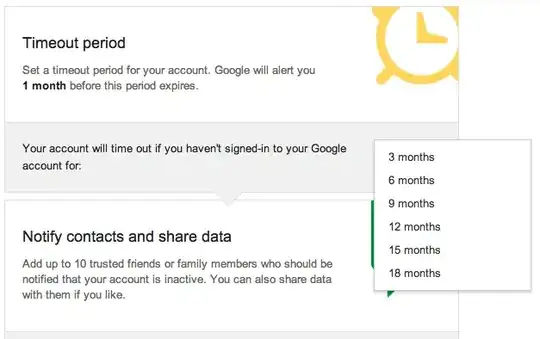
As davidwebster48 alludes, online businesses will likely continue coming up with easier solutions like Google's inactive account manager (though that only deals with Google accounts). But for the time being, the safest and surest way to accomplish your goal is to hire a savvy lawyer with the right tools at her or his disposal. Good luck!