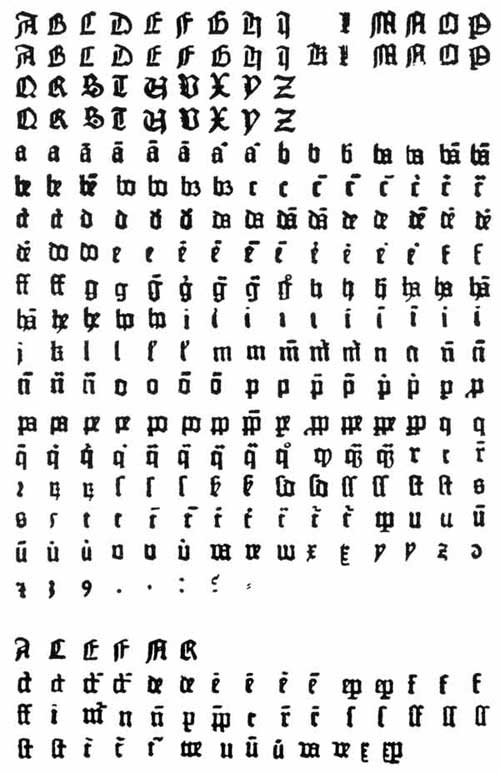
How can I put this information to LuaLaTeX, LaTeX etc.?
I'm afraid the answer is: you can't, or maybe you can't unless someone comes up with something really trippy.
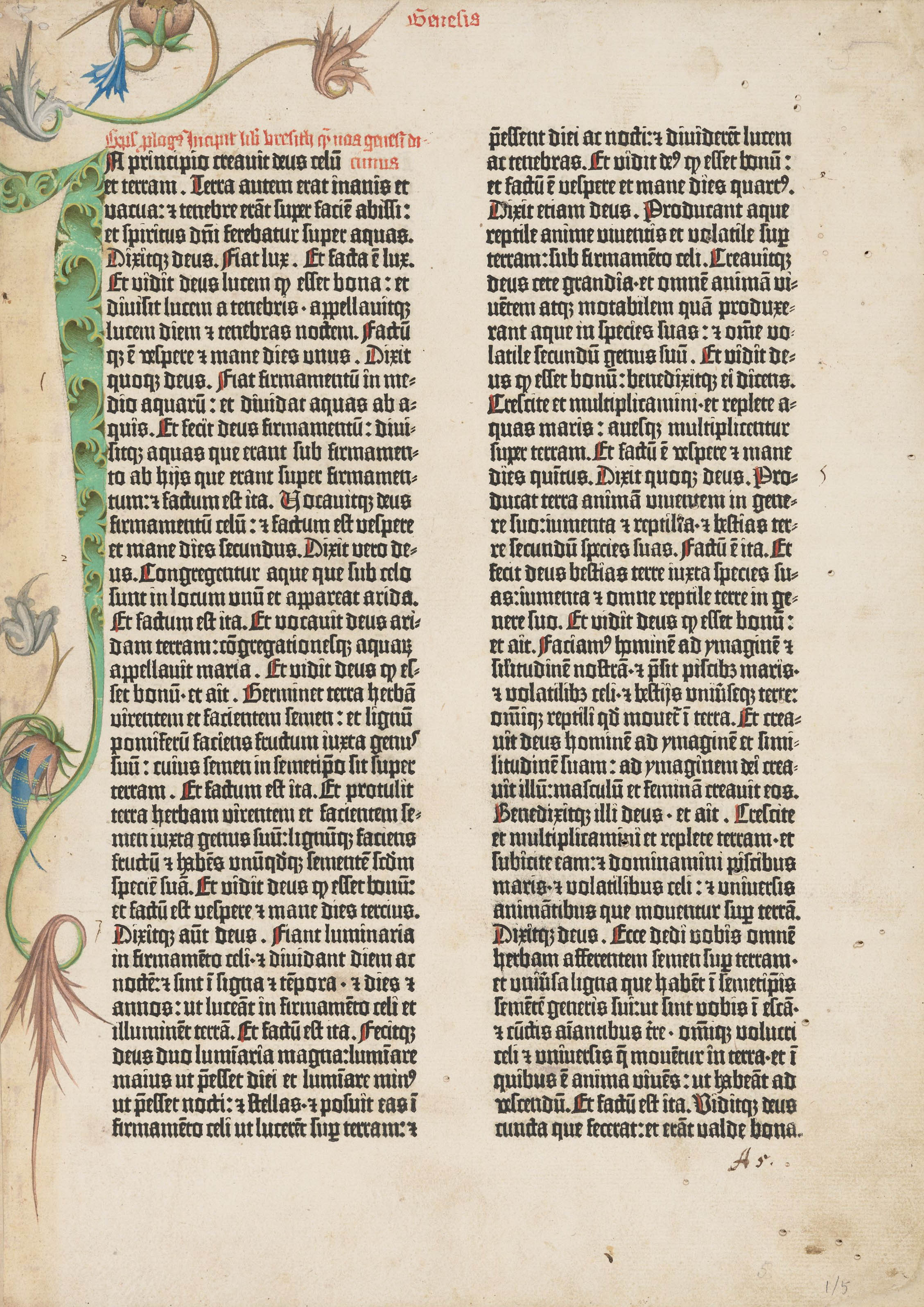
If I understand correctly (feel free to tell us more), what you have in mind is, essentially, the method employed by Johannes Gutenberg. His founts, like yours, had several versions of the same glyph in slightly different widths, in order to produce fully justified paragraphs without too much hyphenation and stretching/shrinking of inter-word space. (In his founts, though, the width variations are barely recognizable.)
Now in the digital realm, it would be perfectly possible to implement the first part of that method -- to design a glyph in several widths, which is what you've started to do. But consider TeX's algorithm for paragraph breaking (which I suggest you familiarise yourself with before investing further energy into your project).
In order to make decisions about how to break a paragraph into lines, TeX needs to ›know‹ about the widths of the glyphs that it will use to typeset the current paragraph (NB: the widths of the glyphs is, in fact, pretty much all TeX knows about them). Once TeX knows that, it has two things that it can adjust to create a decent-looking paragraph: inter-word space and hyphenation. If you add microtype, a third factor comes into play: the stretching and shrinking of a line as a whole, i.e. a uniform treatment of all glyphs in a line (kind of a brute-force version of Hermann Zapf's more sophisticated approach). None of these three things has to do with modifying single glyphs -- obviously, for we'd end up with an (almost?) infinite loop if we went back to the glyph width again and again.
So what you have in mind is a process that generates the information it relies on. As I see it, TeX is not going to let you do that. (related, on a page-breaking level: different type areas on even/odd pages)